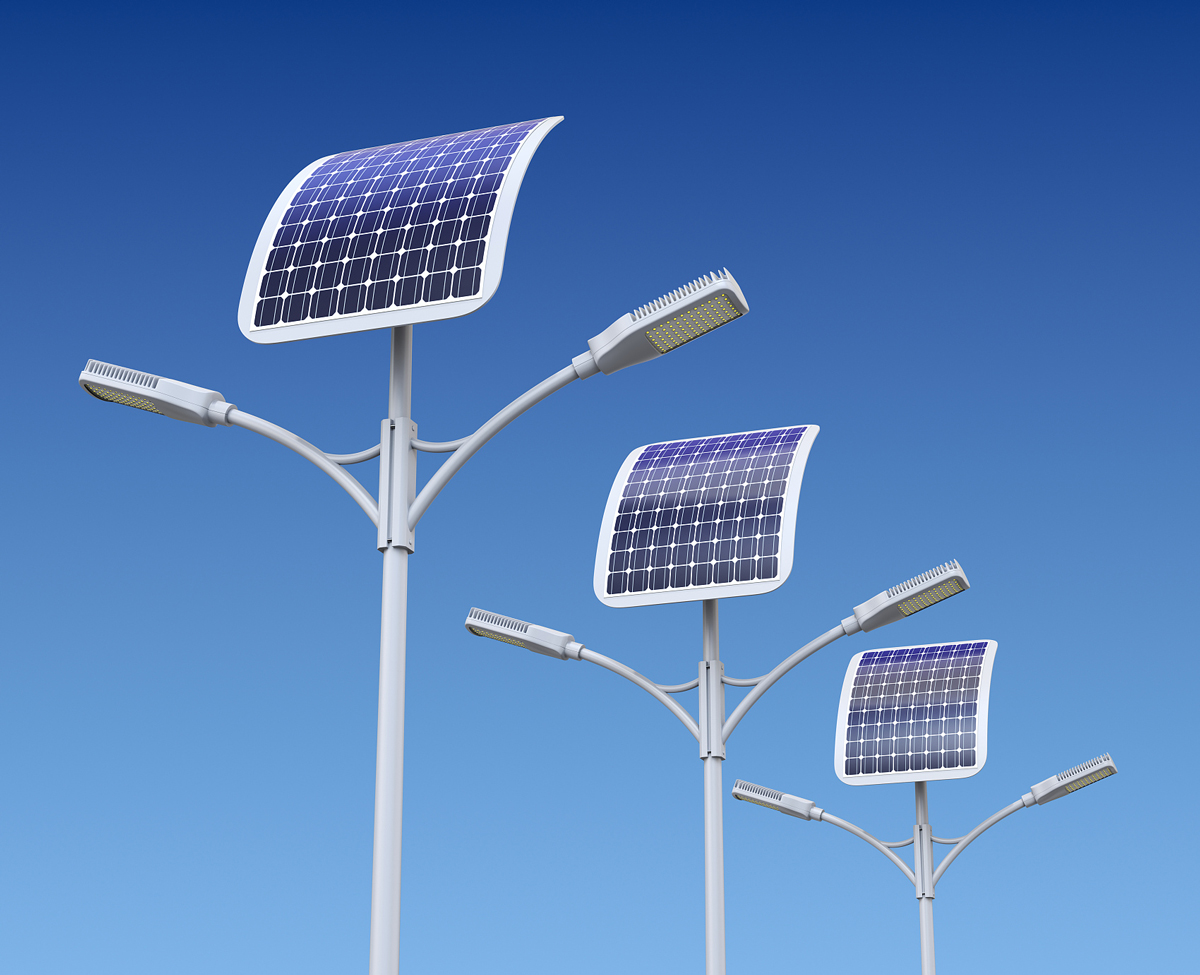
Planet earth depends on light energy. Solar energy is responsible for powering the photosynthetic process in the plant. Various lights' wavelengths cue the plants to flowers, grow taller, and move the leaves. Also, the same cues are known for influencing animals. A good number of insects are attracted to various ultraviolent lights, and this is based on how sensitive they are to the light being produced by the solar cell street light in their eyes. Certain birds are adapted to sing mating calls in relation to the quality of light they receive from a full moon. Increased mating behaviors of some animals, especially frogs, are as a result of high light levels. This suggests that changes in light quality affect the nesting behaviors of birds. A lot of things in the world are dictated by association with the quality and quantity of light.
How Light Afeta plantas e animais
No entanto, como os comportamentos dos organismos são afetados pela poluição luminosa constante? Vários tipos de poluição luminosa (de carros, postes de luz solar ou outdoors) podem afetar as interações ecológicas? Existem maneiras pelas quais as cidades podem ser projetadas para causar menos interferência nos relacionamentos naturalmente evoluídos?
Several cities all over the world started shifting to solar cell street lights. In street lights, they use LED lights because of the advanced color rendering, in addition to enhanced energy efficiency. It is believed that the LED's are known for reducing energy use up to 75 percent . Unlike the traditional street lights, solar cell street lights using LED technology are more durable. In some parts of the United States, i.e., New York, the changes have brought about a reduction in carbon emission and energy costs.
Nevertheless, the changes that come as a result of light quantity and quality come from various changes in the solar cell street light being used. There are ways in which street light affects the urban populations of animals and plants. For instance, in suburban regions of the United Kingdom, bat populations are known not to be affected by switching to higher efficiency solar cell street lights.
Alimentação de morcegos e comportamento de chamada
Um estudo foi realizado para determinar o comportamento de alimentação e vocalizações dos morcegos antes e depois de mudar para a luz de rua da célula solar. Por causa de uma combinação de abundância de insetos (alimentos), que são atraídos pela luz, juntamente com a capacidade de certos morcegos, ou seja, vesper, de ver a luz ultravioleta sendo emitida pelas lâmpadas, os morcegos foram atraídos pela célula solar LED luzes da rua. Há uma mudança insignificante na quantidade de luz produzida pelas lâmpadas LED e LSP na faixa ultraviolenta. Os LPS são conhecidos por emitir luzes em faixas mais estreitas, enquanto os LEDs não podem emitir na faixa ultravioleta. Por outro lado, os LEDs neutros têm emitido luzes em níveis deficientes. Isso sugere que, no projeto de cidades sustentáveis, a mudança para luzes de rua com células solares LED pode ser uma alternativa razoável para o comportamento dos morcegos e a eficiência energética.
No entanto, a história parece ser simples, especialmente para as populações de insetos, que são conhecidas por conduzir alguns desses padrões. Alguns estudos mostram que a mudança para a luz de rua de célula solar LED aumentou a atração de insetos em quase 50%, ao contrário das luzes de rua tradicionais.
Da mesma forma, sobre a iluminação pública com células solares LED, há uma maior atração para o HPS. As discrepâncias são resultado das diferenças no contexto em que alguns estudos foram realizados em regiões rurais e outros em áreas urbanas.
Nos últimos anos, o principal assunto da conversa tem sido o desenho de regiões urbanas avançadas e ecologicamente sustentáveis. A compreensão da qualidade e quantidade de luz vem afetando o animal atual, e a população de plantas é importante. Significativamente, nas regiões urbanas, as interações ecológicas estão em estados perturbados. É por isso que algumas pessoas estão pedindo que as empresas de energia solar não possam projetar iluminação pública com células solares que possam imitar os ambientes não-urbanos. Em algumas cidades, isso não pode ser alcançado.
When there is no light, there are chances that natural conditions can be lower. Nevertheless, this is not practicable when we are after managing the environment just for human functions and safety. In the sustainable regions' design, the question is likely to be: how can solar cell street lights be designed to reduce swift changes from the past several years' status? This suggests that people are applying for new environmental filters that have been affecting animals and plants in different ways. Nevertheless, there is a need for reducing environmental variability in a way that ecological stability will be realized over time.